Learning music, especially a new instrument, can be daunting. It starts with curiosity, requires dedication, and demands persistence, but often the hardest part is simply taking the first step.


Chalmers University of Technology

Learning music, especially a new instrument, can be daunting. It starts with curiosity, requires dedication, and demands persistence, but often the hardest part is simply taking the first step.

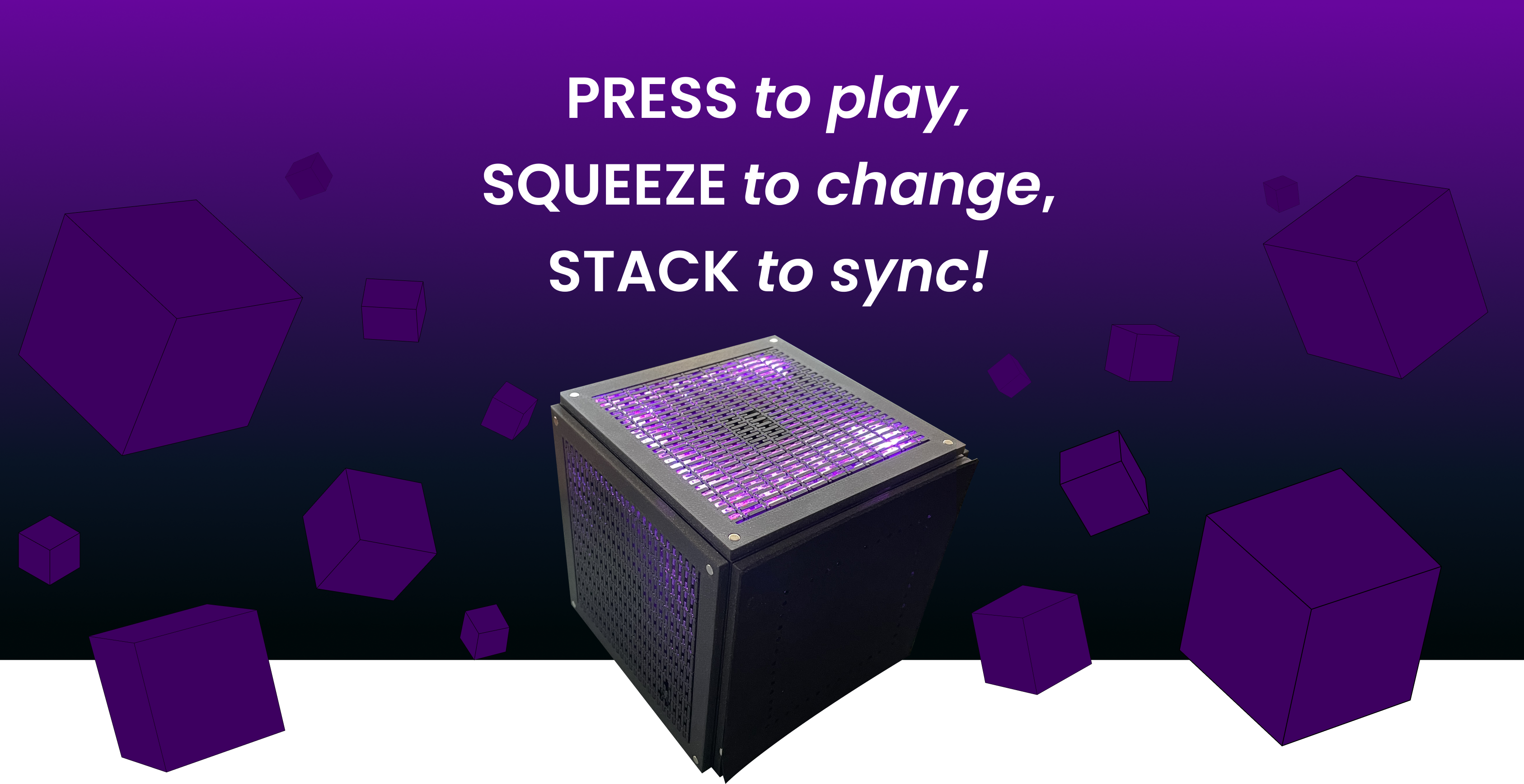
Developed by a team of four as part of the Tangible Interaction course at Chalmers University of Technology. The Melobox is inspired by Minecraft’s Note Block. It’s a playful, approachable tool that lowers the barrier to entry for music learning, encouraging hands-on exploration. Simple enough for beginners, but also offers creative possibilities for experienced musicians.
%201.svg)
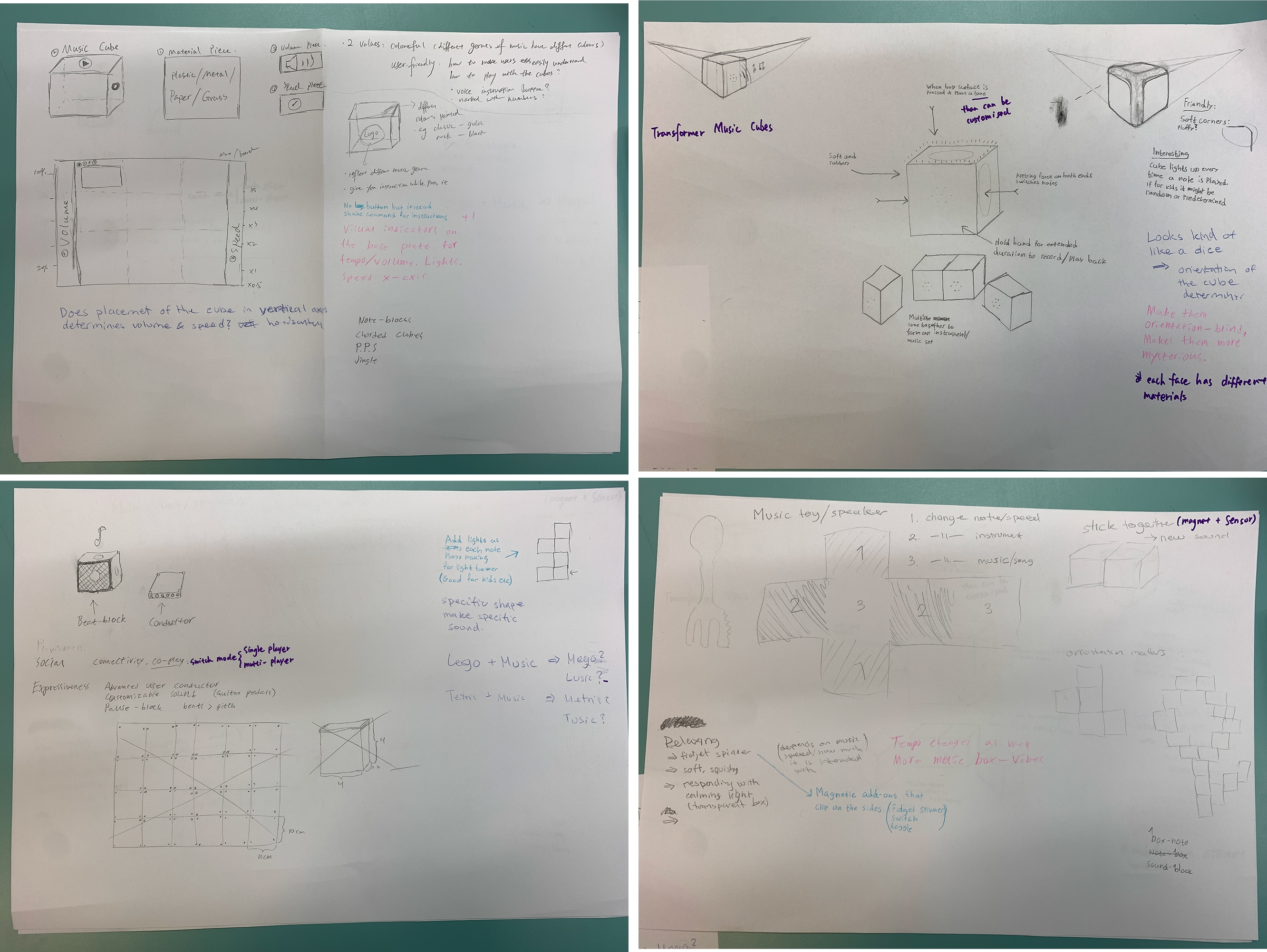
The team explored diverse tangible design ideas, shared findings, and identified common interests. Using a round-robin sketching method, each team member added ideas to a sketch within a limited time before passing it to the next person, continuing until the original sketch returned to its creator. The core concept was then finalized through team discussion and audience feedback.
Once the project direction was clear, the team experimented with different materials and cube sizes. Three variations were created: a solid foam cube (light but rigid), a wooden stick cube bound with elastic bands (flexible), and a laser-cut acrylic hollow cube (rigid but fragile under pressure). These prototypes helped evaluate material properties, durability, and user interaction.

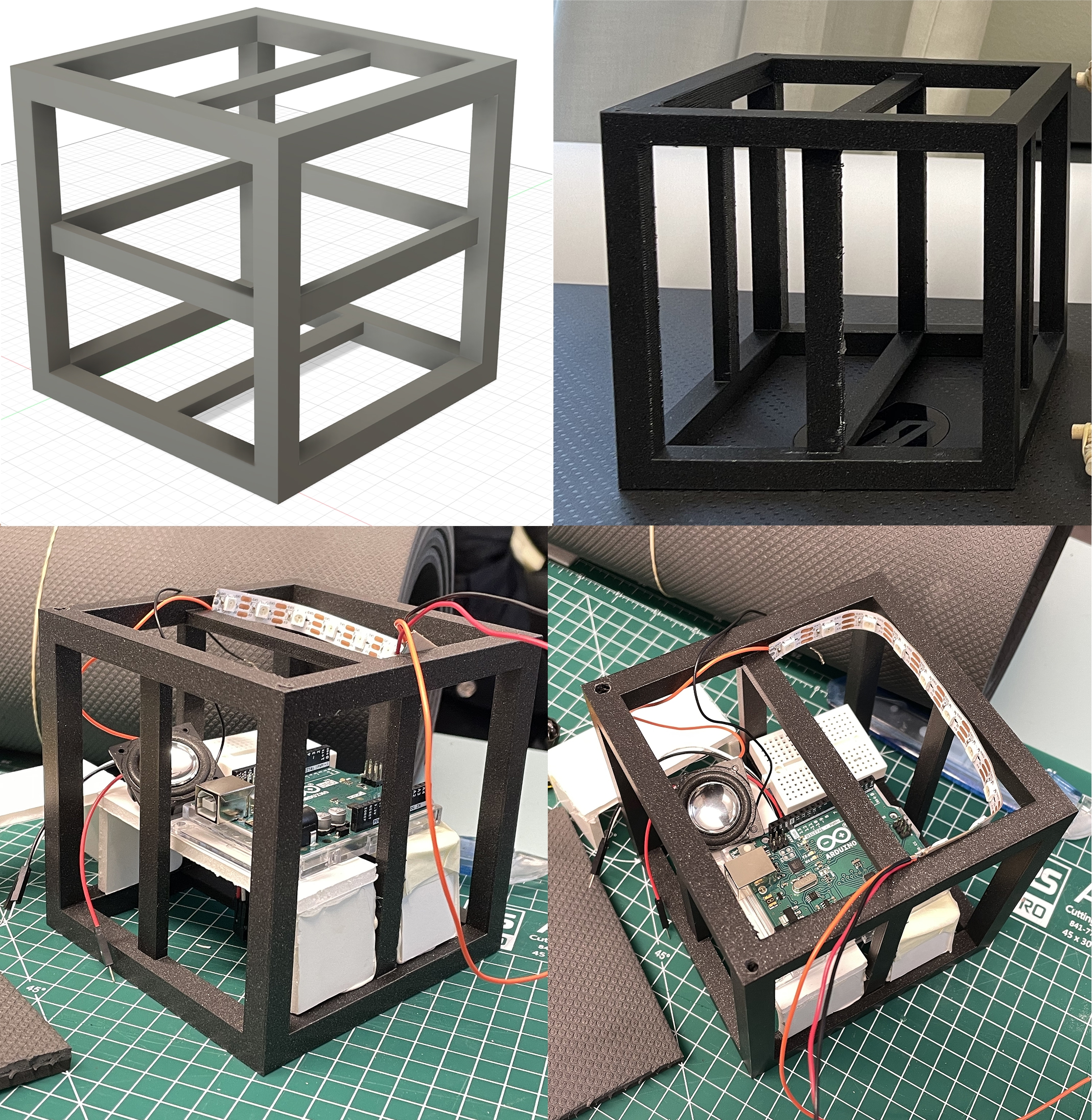
After finalising the cube’s size, the team designed the final prototype using Onshape and 3D printed it. The resulting hollow cube used black filament and included a bar on each face for sensor placement, combining durability with functionality for interactive use.
All electronic components were embedded within the cube’s bars, including an Arduino, a speaker with amplifier, LED strip for visual feedback, capacitive touch sensors for interaction, and a breadboard for circuit connections. This layout kept the design clean, protected the components.
The final prototype demonstrated the core concept of the Melobox. Pressing one face of the cube triggers a musical note, while a squeeze gesture, pressing two opposite faces simultaneously, changes the note. Up to 12 notes can be cycled through before resetting to the first. The design also allowed multiple cubes to be stacked, with the original idea for them to sync and play chords, though the sync function was not included in this prototype. Watch the video demo here.
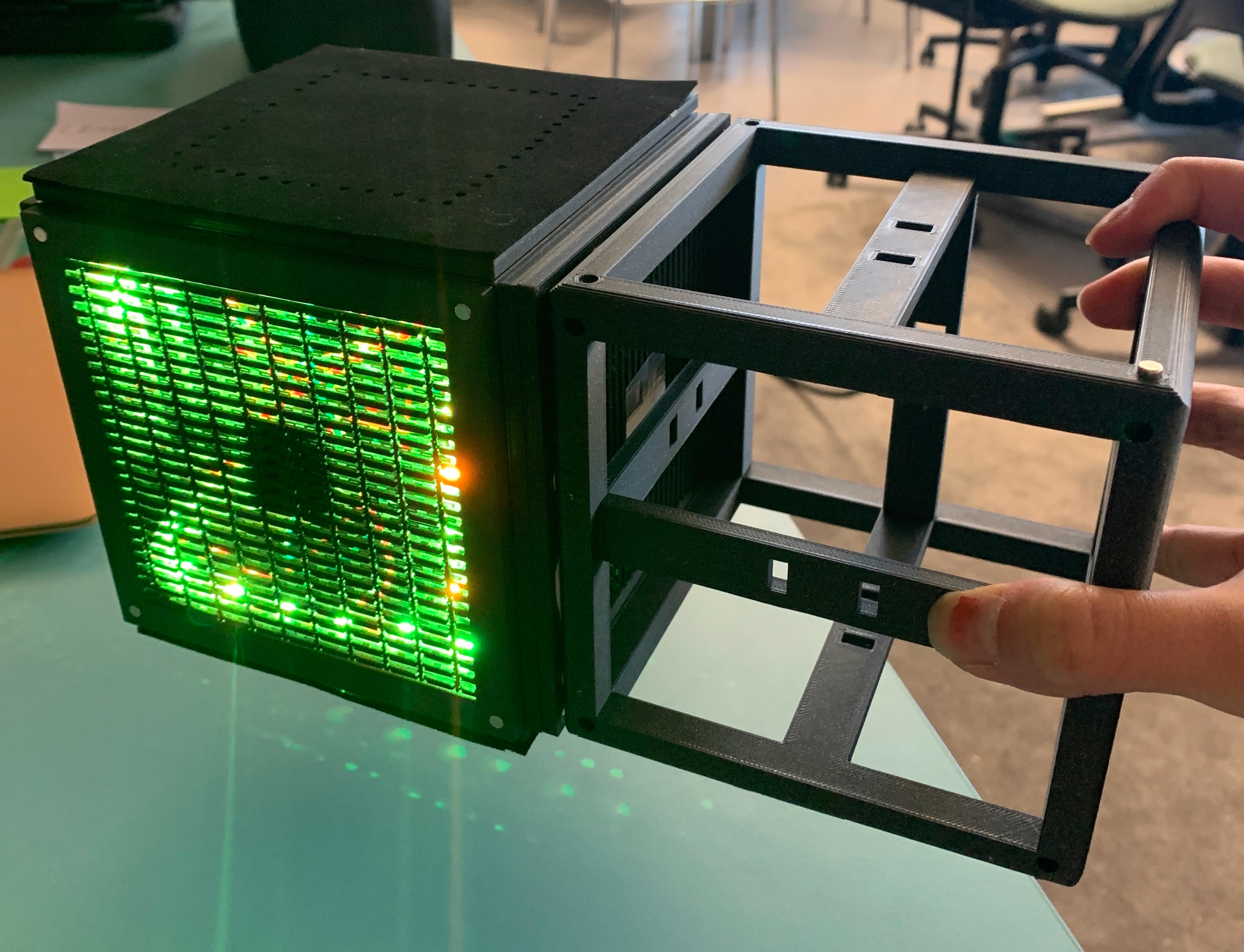
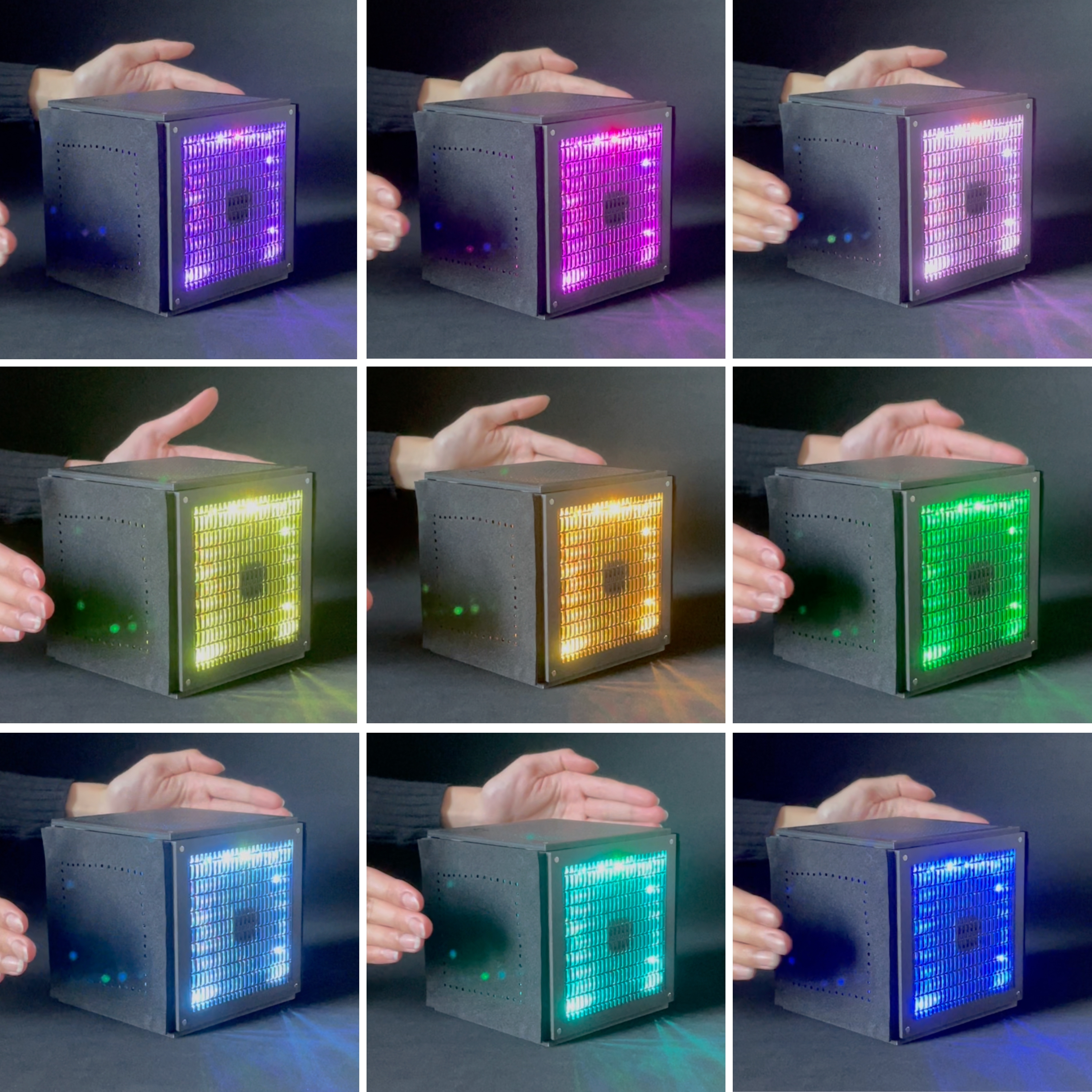
Participants interacted with the prototype while thinking aloud, sharing their experiences freely. Observations were made on their gestures, expressions, and ways of interacting with the cube to capture usability and engagement. Afterward, semi-structured interviews were conducted to gather additional insights. The qualitative data from observations and interviews were analysed using thematic analysis, with comments and opinions organised into categories to extract key insights.
The Melobox was well-received for its playful design, clean aesthetics, and engaging lights. Pressing or squeezing the cube to play and change notes was enjoyable, though limited functionality and sound quality affected its musical potential. The tactile feel was pleasant but slightly reduced touch responsiveness. Participants quickly learned the interactions and suggested improvements such as smaller cubes, better sound, added musical features, visual cues, and materials that balance softness with light visibility.